
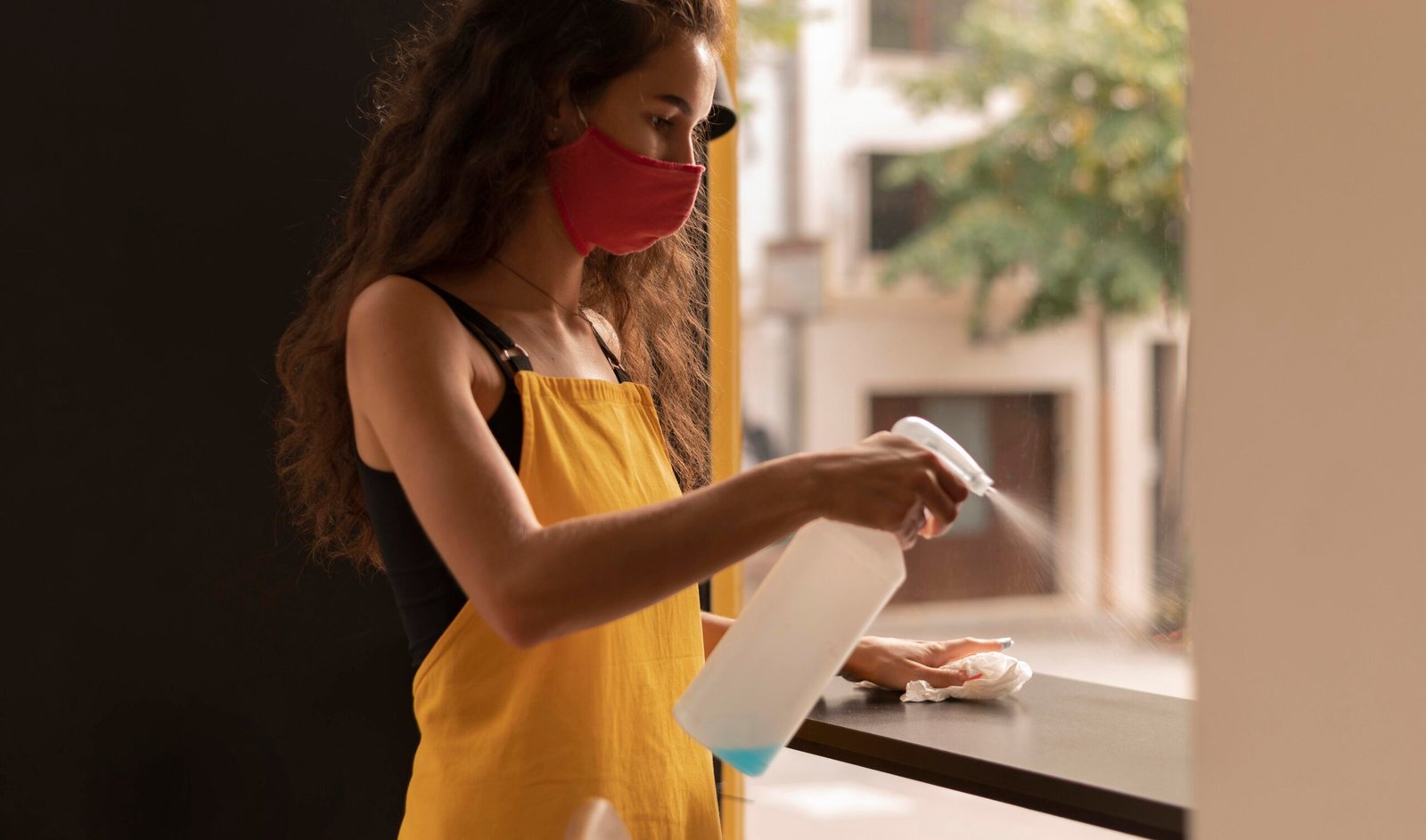
Living with allergies can make everyday life uncomfortable, especially when dust, pollen, pet dander, and other allergens accumulate inside your home. While regular cleaning helps maintain a tidy living space, some allergens can remain trapped in carpets, upholstery, bedding, and other hard-to-reach areas.
For homeowners in Philadelphia, Pennsylvania, deep cleaning can be an important part of maintaining a cleaner indoor environment. By addressing hidden dust and accumulated debris, you can make your home more comfortable and reduce exposure to certain common indoor allergens. Whether you clean your home yourself or hire professional cleaning services, a consistent cleaning routine can make a meaningful difference.
1. Understand Common Indoor Allergens
Before starting a deep-cleaning routine, it helps to understand what may be contributing to allergy symptoms. Common indoor allergens include:
- Dust mites and their waste products.
- Pet dander from cats, dogs, and other animals.
- Pollen brought indoors through open windows, clothing, and shoes.
- Mold spores associated with damp areas.
- Dust and debris accumulated on household surfaces.
Identifying potential sources can help you prioritize the areas that need the most attention. If symptoms persist, consult a qualified healthcare professional to determine the cause and appropriate treatment.
2. Remove Dust From Frequently Used Surfaces
Dust can accumulate on shelves, tables, desks, furniture, and decorative objects. When these surfaces are disturbed, some particles may become airborne.
Use a damp microfiber cloth to capture dust rather than simply moving it around. Start with higher surfaces and work downward so that falling dust can be removed during the final floor-cleaning stage.
Pay attention to bookshelves, window ledges, picture frames, electronics, and other areas that are often overlooked during routine cleaning.
3. Deep Clean Carpets and Rugs
Carpets and rugs can trap dust, pollen, pet dander, and other particles brought into the home. Regular vacuuming helps remove surface debris, but some material may remain embedded in the fibers.
Vacuum carpets frequently using a well-maintained vacuum cleaner with a sealed system and a high-efficiency particulate air (HEPA) filter, if available. Depending on the carpet material, periodic deep cleaning may also help remove accumulated dirt and residue.
Professional carpet cleaning can be particularly useful for large carpeted areas or heavily soiled rugs. Make sure carpets dry thoroughly after cleaning to avoid creating excess moisture.
4. Pay Attention to Upholstered Furniture
Sofas, chairs, cushions, and other upholstered items can collect dust, hair, and pet dander through everyday use. These particles may become airborne when people sit down or move cushions.
Vacuum upholstered furniture with a suitable attachment and clean removable covers according to their care instructions. Wash cushion covers and blankets when appropriate.
If your furniture has significant buildup, professional cleaning services may help refresh the upholstery using methods suitable for the fabric.
5. Wash Bedding Regularly
Bedding can accumulate dust mites, skin flakes, and other particles. Because people spend several hours sleeping each night, keeping bedding clean is an important part of an allergy-conscious household routine.
Wash sheets, pillowcases, and blankets regularly according to their care labels. If dust mites are a concern, washing bedding weekly in hot water when the fabric permits can help reduce their presence.
Consider allergen-resistant covers for mattresses and pillows if recommended for your needs. These measures can complement other efforts to reduce indoor allergens.
6. Keep Bathrooms Dry and Clean
Bathrooms are vulnerable to excess moisture, particularly around showers, bathtubs, sinks, and grout lines. Persistent dampness can encourage mold growth, which may aggravate symptoms in people sensitive to mold.
Clean bathroom surfaces regularly, repair leaks promptly, and use an exhaust fan during and after showers. Dry wet areas when possible and address visible mold rather than allowing it to spread.
For extensive mold growth or recurring moisture problems, seek appropriate remediation assistance instead of relying on ordinary household cleaning alone.
7. Clean Air Vents and Replace HVAC Filters
Heating and cooling systems circulate air throughout the home. Dust can collect on vent covers, while filters capture particles as air passes through the system.
Vacuum accessible vent covers and wipe them with a suitable cloth. Replace HVAC filters according to the manufacturer’s recommendations and select a filter compatible with your system.
Homeowners in Philadelphia, Pennsylvania, may use heating systems heavily during colder months and air conditioning during warmer weather. Keeping up with routine system maintenance can support better indoor air management.
8. Don’t Forget Curtains, Blinds, and Window Tracks
Window coverings can accumulate dust and pollen, especially when windows are frequently opened. Window tracks may also collect outdoor debris.
Dust blinds regularly and wash curtains according to their care instructions. Vacuum window tracks with a suitable attachment and wipe the surrounding frames.
During periods when outdoor pollen levels are high, keeping windows closed when practical and using suitable indoor filtration may help reduce the amount of pollen entering your home.
9. Clean Kitchen Surfaces and Hidden Areas
Kitchens can accumulate crumbs, grease, dust, and moisture. Although these substances are not all allergens, keeping the kitchen clean helps maintain overall household hygiene and prevents avoidable buildup.
Wipe countertops, clean appliance surfaces, and regularly wash reusable cloths and sponges. Pay attention to cabinet tops, areas beneath appliances, and corners where debris can collect.
If your schedule is busy, arranging periodic deep cleaning can help ensure these less visible areas receive attention.
10. Use Cleaning Methods That Minimize Airborne Dust
Some cleaning methods can stir up dust and make particles airborne. Dry dusting with an ordinary feather duster or sweeping aggressively may redistribute debris rather than remove it.
For a more allergy-conscious routine:
- Use damp microfiber cloths on suitable surfaces.
- Vacuum with a well-maintained machine and an appropriate filtration system.
- Avoid shaking dusty rugs or bedding indoors.
- Wash cleaning cloths after use.
- Allow rooms to ventilate appropriately during cleaning.
- Follow product instructions and avoid unnecessary use of heavily fragranced cleaners.
If cleaning itself triggers symptoms, consider wearing a suitable mask, asking someone else to handle dust-intensive tasks, or arranging help from a cleaning company.
11. Benefits of Hiring Professional Cleaning Services
Deep cleaning an entire home can require considerable time and effort. For people managing allergies, it may also involve direct contact with dust and other potential triggers.
Professional cleaning services can help with tasks such as detailed dusting, carpet cleaning, upholstery cleaning, bathroom maintenance, and cleaning difficult-to-reach areas.
A cleaning service in Philadelphia, Pennsylvania, may offer customized appointments based on the size of your home and your cleaning priorities. Before booking, explain your concerns and ask about the products, equipment, and cleaning methods the company uses.
Keep in mind that cleaning can help reduce some indoor allergens, but it cannot eliminate every allergen or guarantee relief from allergy symptoms.
12. How to Choose the Best Cleaning Company
Choosing a cleaning provider requires more than comparing prices. Look for a company that understands your requirements and clearly explains its services.
Consider the following factors:
- Positive customer reviews and a reliable service history.
- Experience with deep cleaning and upholstery or carpet care.
- Clear information about cleaning products and equipment.
- Flexible scheduling and transparent pricing.
- Willingness to discuss fragrance sensitivities or other household concerns.
- Appropriate training and professional cleaning procedures.
Trusted cleaners should be willing to answer questions about their methods and explain what their service includes. Comparing top rated providers can help you identify a company that matches your needs and budget.
13. Maintain a Regular Deep-Cleaning Schedule
Deep cleaning works best when combined with regular maintenance. Instead of waiting until dust and debris become noticeable, establish a schedule that covers different parts of the home.
For example, you can wash bedding weekly, vacuum floors regularly, clean bathrooms every week, and schedule periodic deep cleaning for upholstery, carpets, window coverings, and hard-to-reach areas.
Homes with pets, carpeting, or occupants sensitive to particular allergens may need more frequent attention in specific areas.
Final Thoughts
Deep cleaning can be a useful part of an allergy-conscious home maintenance routine. Removing accumulated dust, washing bedding, caring for carpets and upholstery, and controlling moisture can help reduce exposure to some common indoor allergens.
For residents of Philadelphia, Pennsylvania, combining regular household cleaning with occasional professional assistance can make maintaining a comfortable home easier. By choosing trusted, experienced, and expert cleaners, you can give frequently overlooked areas the attention they need while saving time and effort.
If you are looking for cleaning companies or cleaning service offers in Philadelphia, Pennsylvania, please search here: www.cleaningserviceoffers.com/